7 Days in Patagonia: Glaciers, Estancias, and the End of the World
I traveled to Chilean Patagonia in October 2025 as part of the Adventure Travel World Summit, an annual gathering of more than 700 global tourism leaders focused on sustainability, responsible travel, and the future of the industry. The summit took place in Puerto Natales. The post-summit FAM trip was hosted by Terra Gaia, a French tour operator specializing in extraordinary sustainable journeys across South America and beyond. Seven days, two countries, and some of the most extraordinary landscapes I have ever seen.
This is not a generic itinerary. It is a firsthand account of where I went, what I ate, what I actually thought, and what it feels like to experience the end of the world with a group of people who have dedicated their careers to travel.
Day 1: Puerto Natales to El Calafate and the Perito Moreno Glacier
We left Puerto Natales at 7am in a private vehicle, crossing into Argentina with a lunch box and the kind of anticipation you only get when you know something significant is coming.
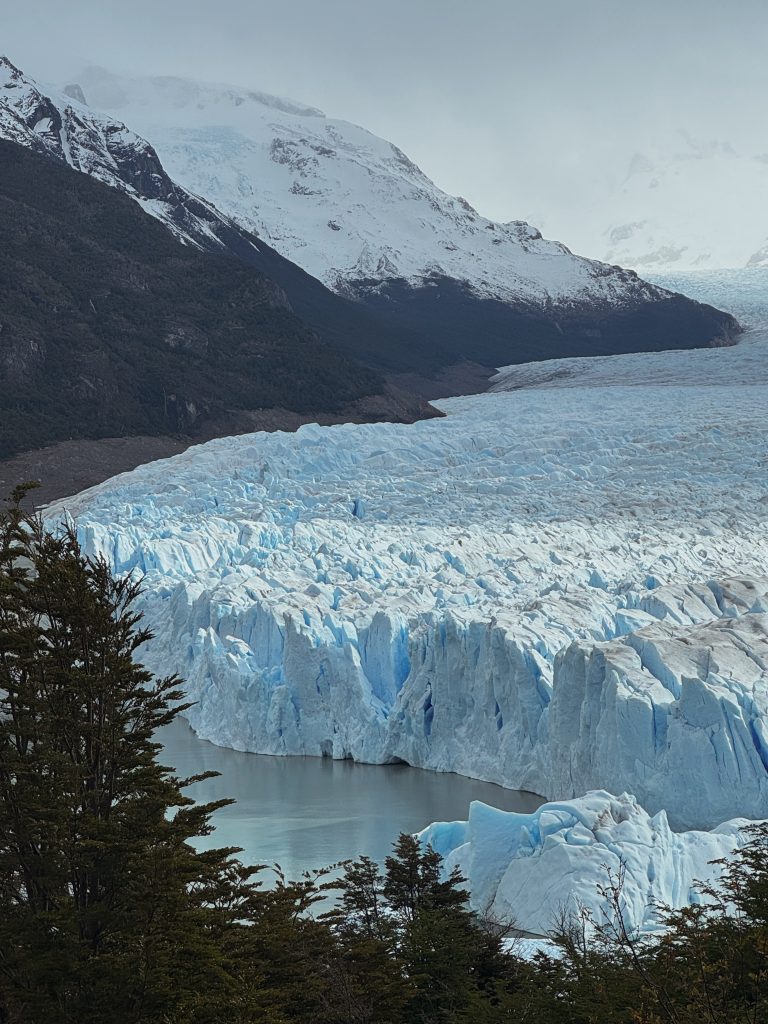
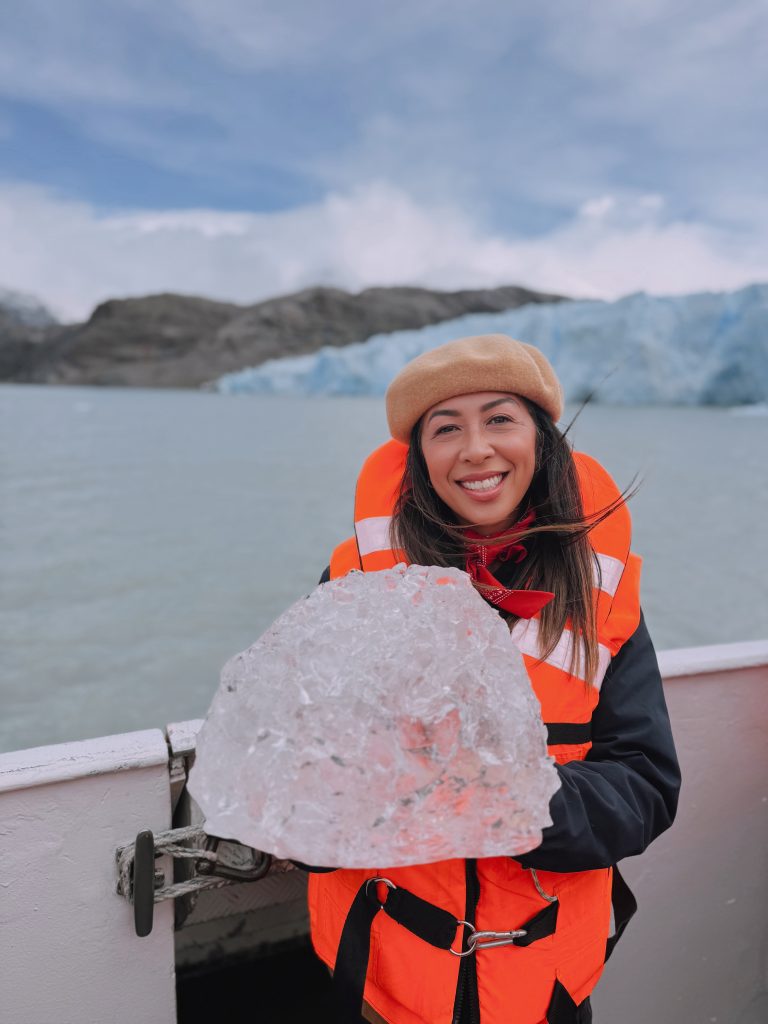
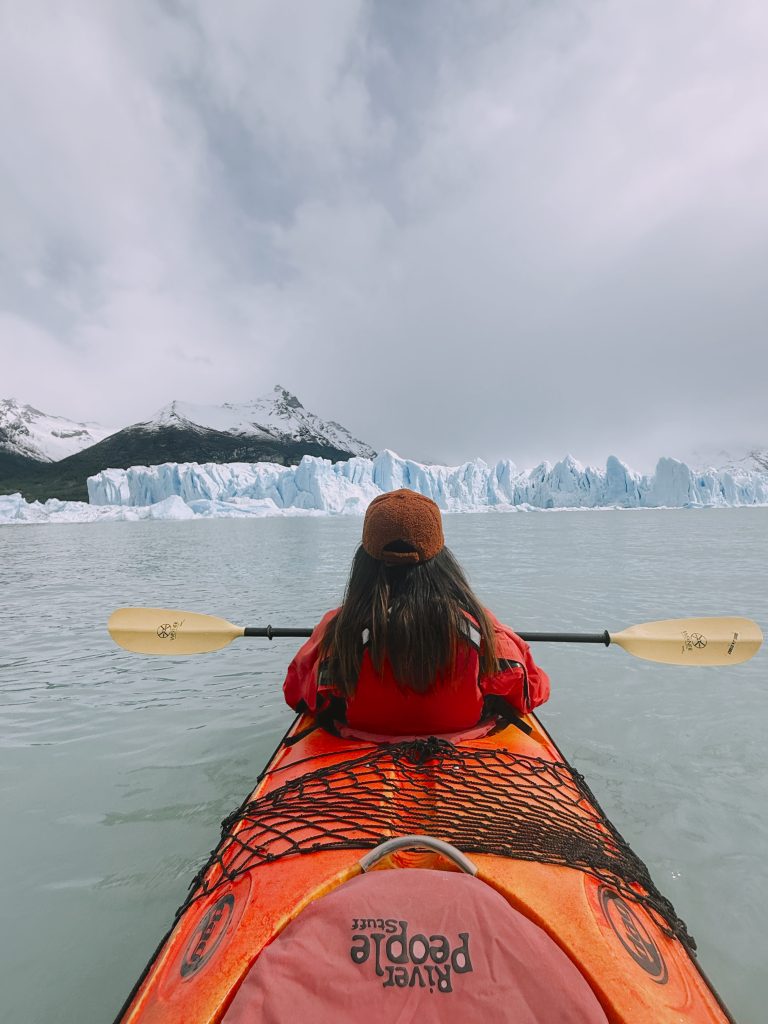
After dropping luggage in El Calafate, we headed straight to Los Glaciares National Park for an afternoon kayaking session at the foot of Perito Moreno. I want to be precise about this: kayaking among massive icebergs toward the face of that glacier is one of the top five travel experiences of my life. The scale of it is incomprehensible until you are sitting in a kayak, paddle in hand, watching walls of blue ice rise above you. Our guide Alejandro, a glaciologist, explained what we were looking at in a way that made it even more surreal. At one point the glacier calved nearby, a sound like a cannon, followed by silence.
That evening we had dinner at Miguel Calvi’s home, the best meal of the entire trip. Miguel is a former fine dining chef who now cooks in his own kitchen for small groups, inspired by the women in his family. The menu was built around wood fire and tradition: blood sausage, homemade empanadas, wood-fired lamb, grilled peaches for dessert. We sat at a communal table with easy conversation. It felt nothing like a restaurant and everything like a memory.
Night at Los Ponchos Hotel, El Calafate.
Day 2: El Calafate to Estancia Cristina
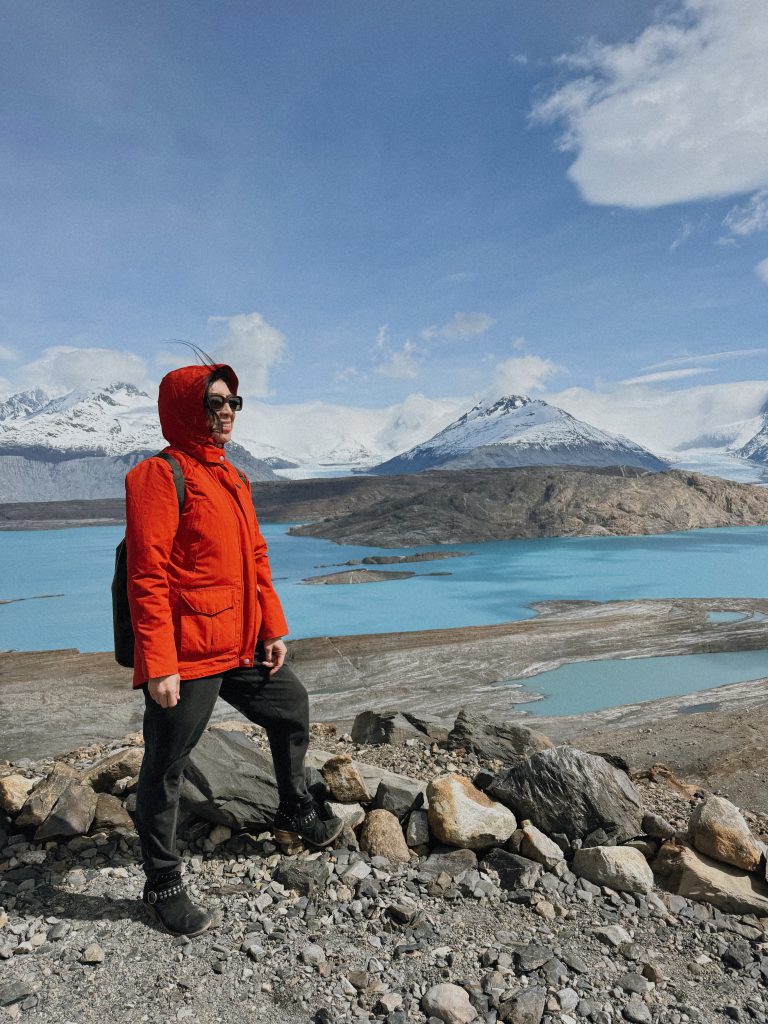
A 50-kilometer transfer to Puerto Punta Bandera, then a boat across Lago Argentino to reach Estancia Cristina. The journey takes you through the Upsala arm of the lake, weaving between icebergs to reach a remote ranch that has been operating since 1914. The western face of the Upsala Glacier comes into view as you approach, and the scale of it from the water is quietly staggering.
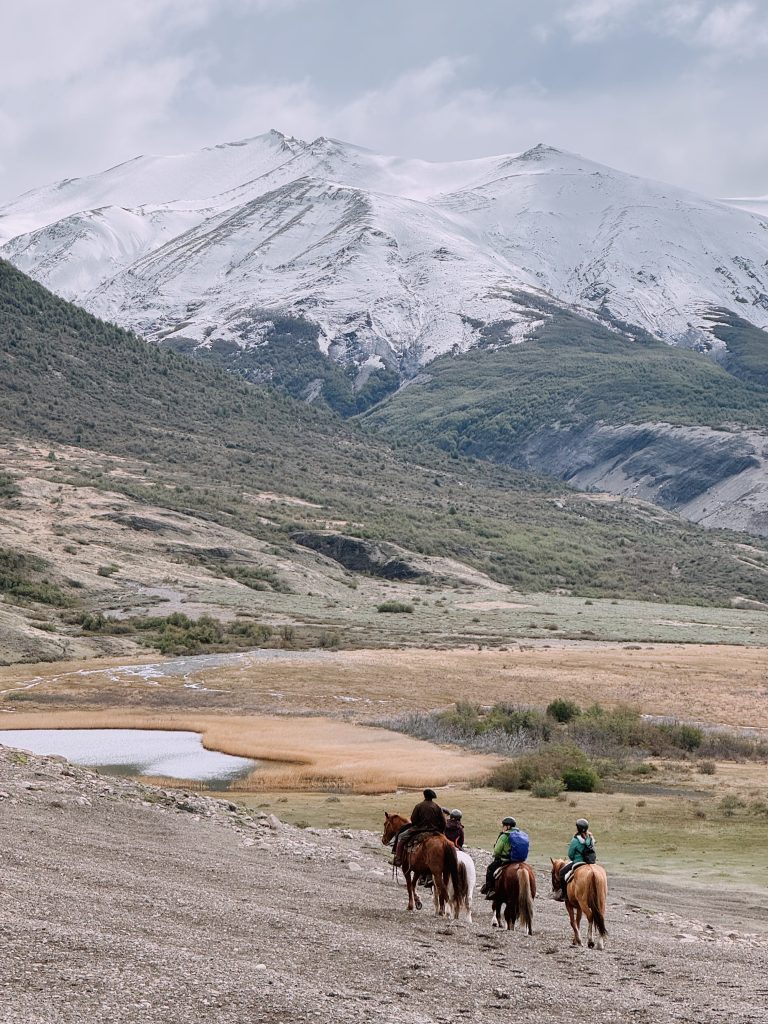
The estancia offers hiking along the Rio Caterina, 4×4 excursions to glacier viewpoints, fossil canyon trails, and horseback riding. The remoteness of the place is part of the appeal. There is no ambient noise except wind and water. The museum gives you a rare window into early pioneer life in Patagonia, and the landscape around the property looks like something that should not be real.
Night at Estancia Cristina, full board.
Day 3: Estancia Cristina to El Calafate and Cuevas del Walichu
A leisure morning at the estancia, then a return boat to El Calafate in the afternoon. By evening we were in 4×4 vehicles headed along the shores of Lake Argentino as the light shifted toward golden hour.
The Cuevas del Walichu are ancient caves decorated with paintings left by the Tehuelche people, Patagonia’s earliest inhabitants. Our guide explained the anthropology and geology of the region as we drove, and by the time we reached the caves the landscape felt layered with history in a way that snuck up on me. The evening ended with dinner inside the cave itself, lit and intimate, with Patagonian star skies visible on the walk back out.
Night at Esplendor Hotel, Concept Lake View room.
Day 4: El Calafate to Villa Cerro Castillo and Patagonia Camp
An early departure back across the Argentina-Chile border toward Torres del Paine. The drive through Villa Cerro Castillo is one of those stretches where you stop talking and just look out the window.
Lunch was a traditional asado al palo, slow-roasted Magellanic lamb over open fire, served buffet style at an estancia along the way. We also watched a full wool demonstration: the herding dogs working the sheep, the shearing, and the spinning mill where raw wool becomes finished product. It was grounding in a way that most travel experiences are not. You leave understanding exactly where things come from.
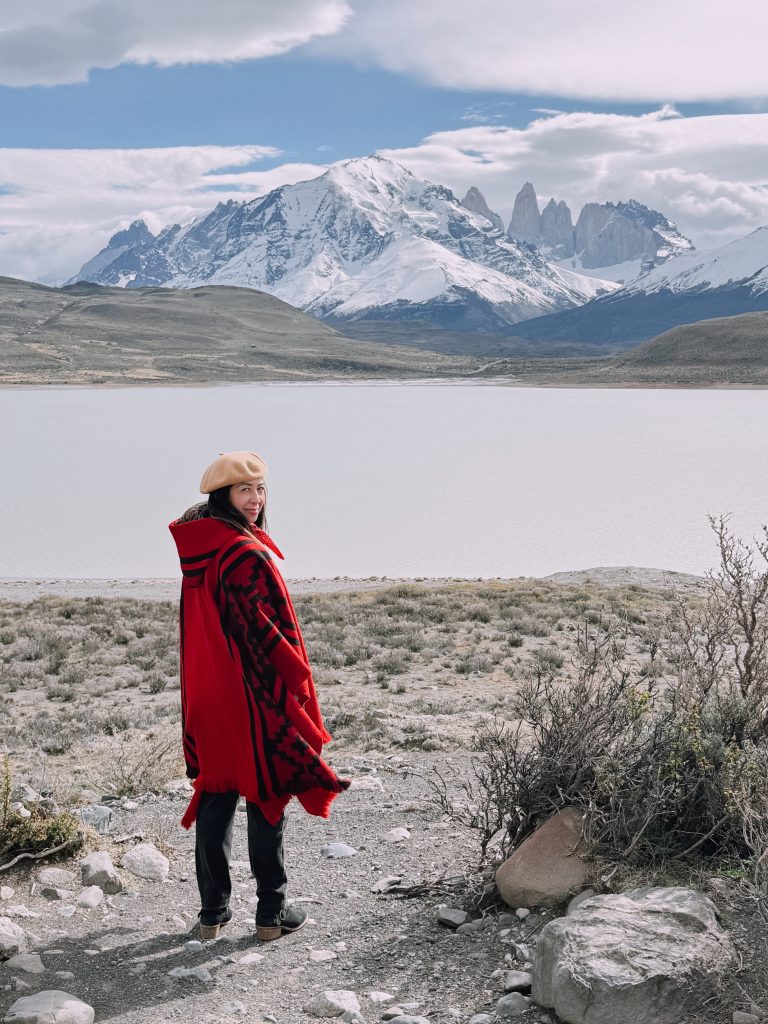
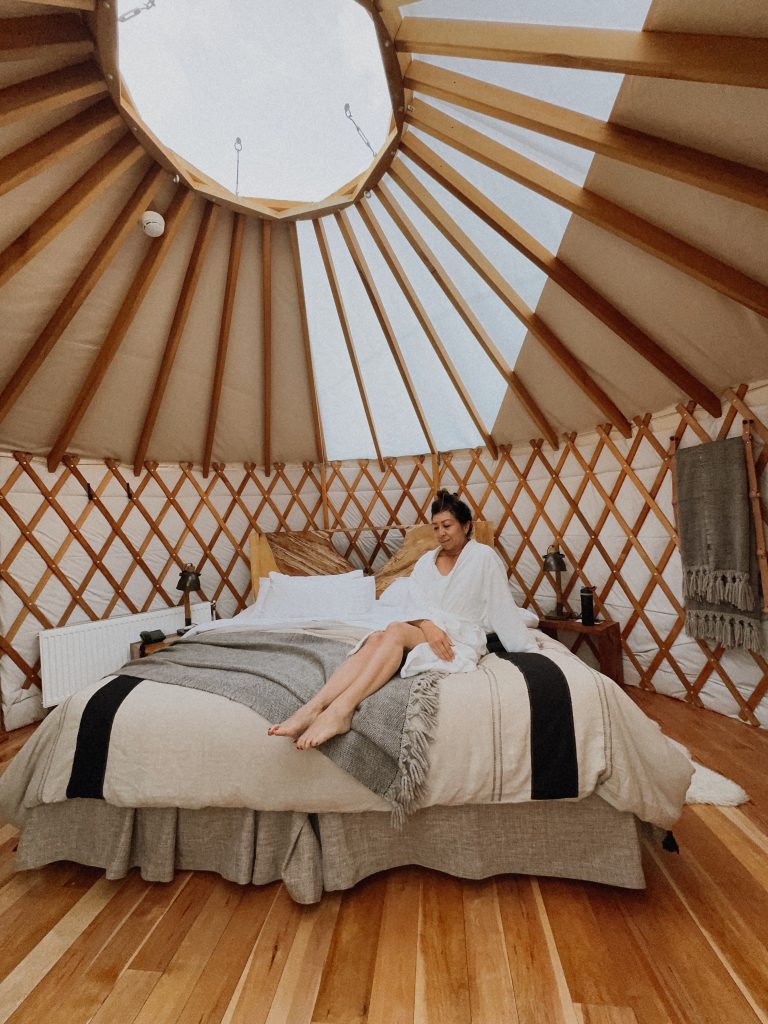
By evening we reached Patagonia Camp, an eco-luxury property set along the shores of Lago Toro with Torres del Paine as the backdrop. The yurts are warm and well-considered, with private decks facing the mountains. Dinner at camp was relaxed and the vibe was exactly right, the kind of place that earns the word retreat without trying too hard. Solid stay.
Night at Patagonia Camp.
Day 5: Patagonia Camp to EcoCamp Patagonia
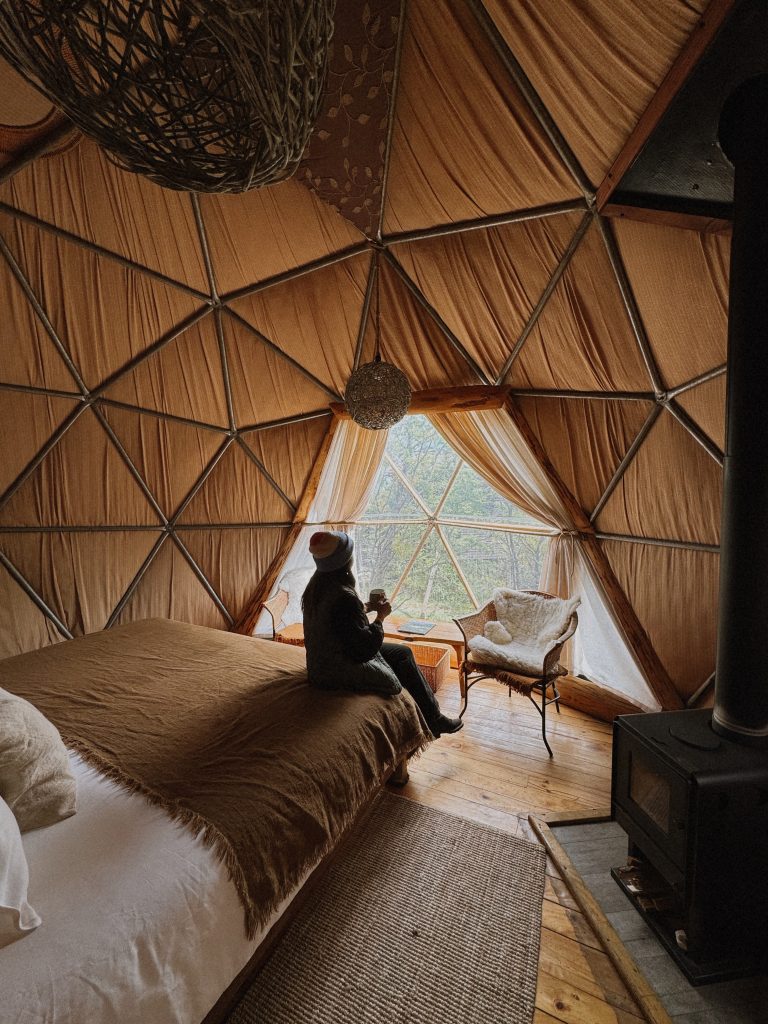
A morning activity in the Torres del Paine area, then a transfer to EcoCamp Patagonia, one of the most recognized sustainable lodges in South America. The geodesic domes are designed to minimize footprint without sacrificing comfort, and the positioning inside the national park means the views from camp are genuinely extraordinary.
The afternoon was dedicated to puma tracking with a specialized guide and EcoCamp’s on-the-ground tracking team. The location of observation changes daily based on where the pumas are moving, which means nothing is staged and nothing is guaranteed. That uncertainty is part of what makes it feel real.
One note: there is no Wi-Fi at EcoCamp.
Night at EcoCamp Patagonia.
Day 6: EcoCamp to Estancia Cerro Guido and Puerto Natales
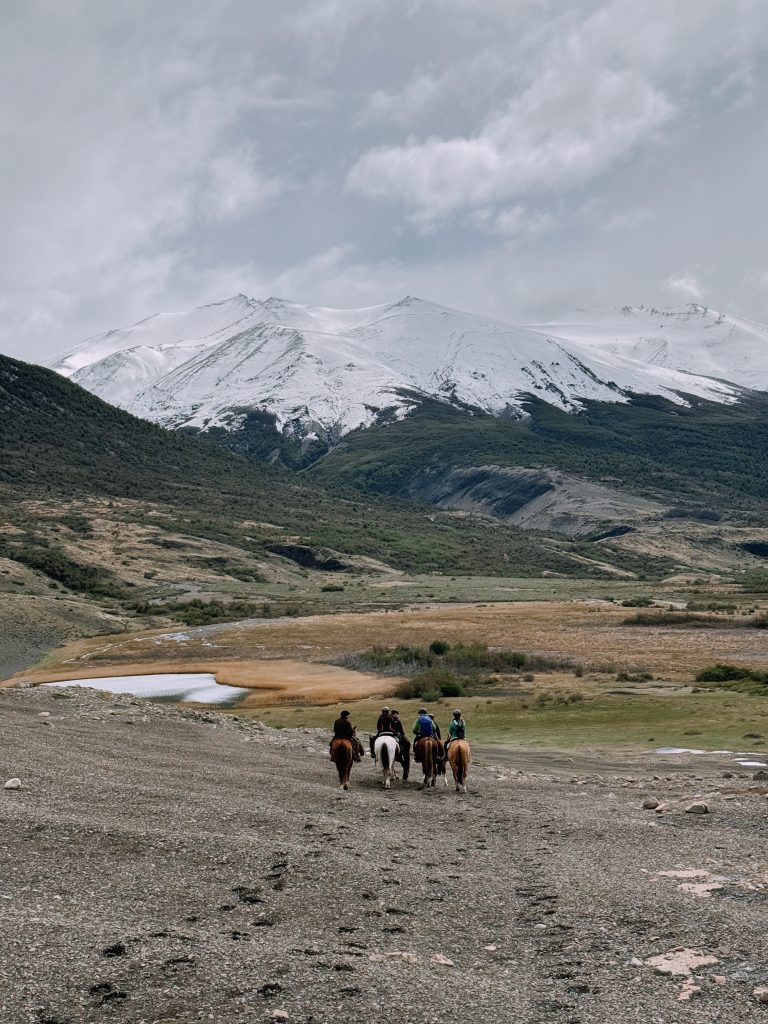
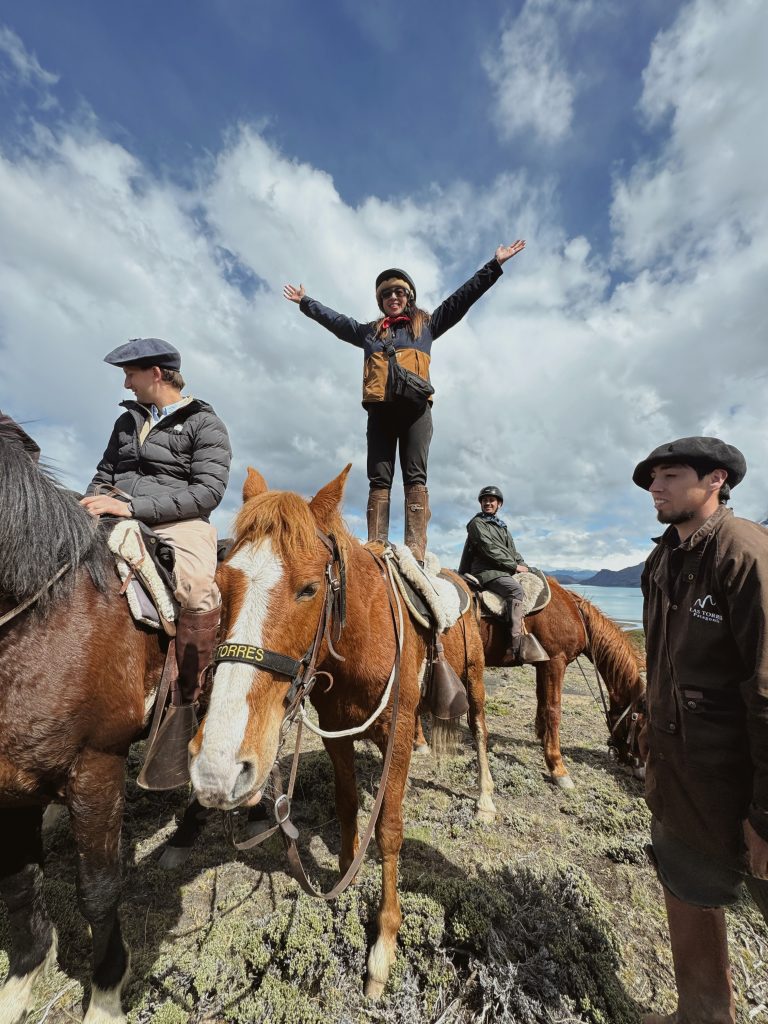
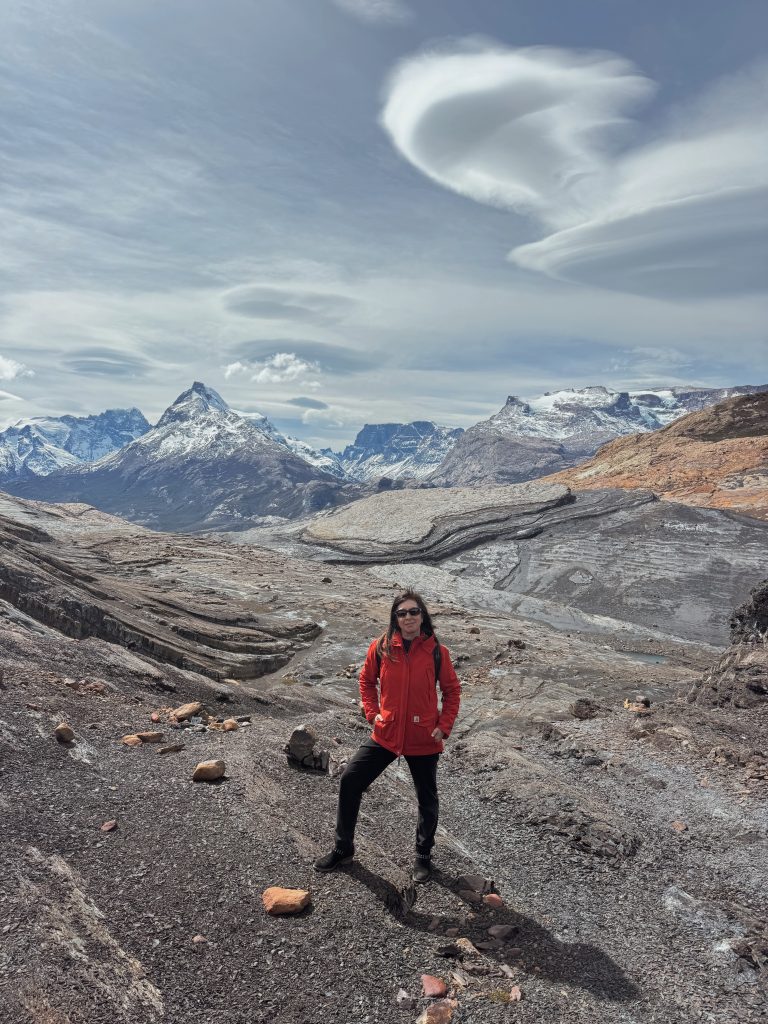
A morning transfer to Estancia Cerro Guido, a working ranch with views of Lake Sarmiento, the Sierra Baguales, and the Paine Massif. Guanacos, rheas, and foxes move freely across the property. The day included a guided tour of the estancia’s conservation work, a traditional lunch with regional specialties, and an afternoon horseback ride through the landscape.
By late afternoon we were back on the road to Puerto Natales. Dinner that evening was at Noi Indigo Hotel, a clean finish to the field portion of the trip.
Night at Noi Indigo Hotel.
Day 7: Puerto Natales
The final morning was spent with local craftswomen in Puerto Natales, artisans working in wool, leather, and wood. It was a quieter ending than the rest of the week but a fitting one. Patagonia’s identity is built from this kind of work, generational knowledge and craftsmanship that does not scale or replicate easily. Sitting with these women on the last morning felt like the right note to leave on.
What I Took Away
Patagonia is one of those destinations that is definitely bucket-list material. The glaciers, the wind, the light at the end of the day across Torres del Paine. It is not an easy place to reach and it is not a place that you will easily forget. That is precisely what makes it worth going. It is definitely worth the effort and splurge.
Plan Your Patagonia Trip with Nomoon
Patagonia requires real logistics: border crossings, remote lodges, weather-dependent activities, and the kind of coordination that is genuinely easier with someone who has been there. My Patagonia itineraries are available through Nomoon Travel, built around the properties and experiences from this trip.
Plan your Patagonia trip with Nomoon
What I Wore
Every outfit you see in these photos was chosen specifically for Patagonia, from layering systems for glacier kayaking to camp-ready evening looks. Shop my travel wardrobe and similar looks by destination on ShopMy.