The Clean Closet Edit: Non Toxic Clothing Brands Worth Investing In
If you’ve already swapped out your skincare, cleaned up your pantry, and started paying attention to what’s in your home, your closet is usually the last thing to catch up.
That was me too.
For years, I invested in good design, beautiful spaces, quality travel. But I wasn’t thinking twice about what I was wearing every single day. And the reality is, most clothing is still made with synthetic chemicals. Conventional cotton is heavily treated. Dyes are often toxic. Finishes like PFAS are added for wrinkle resistance and water repellency, and they don’t just disappear after a few washes.
Once you see it, you can’t unsee it.
This shift into non toxic fashion isn’t about being overly “clean” or restrictive. It’s about awareness. It’s about choosing pieces that feel better, last longer, and align with how you’re already living.
I also travel constantly, and that has shaped my wardrobe more than anything. I spend a lot of time in Tulum, and if you’ve been, you already know the heat and humidity force you to rethink everything. You can’t rely on heavy fabrics or anything synthetic. You want breathable materials like cotton, linen, and lightweight knits that actually work with the climate, not against it.
That alone pushed me into simplifying what I wear.
Most of these pieces end up in my carry on because they’re easy to layer, easy to repeat, and hold up through multiple wears. I pack less, I rewear more, and everything mixes together. It naturally creates a more minimal wardrobe without feeling restrictive. It just becomes practical.
And the best part is, you don’t lose your sense of style in the process.
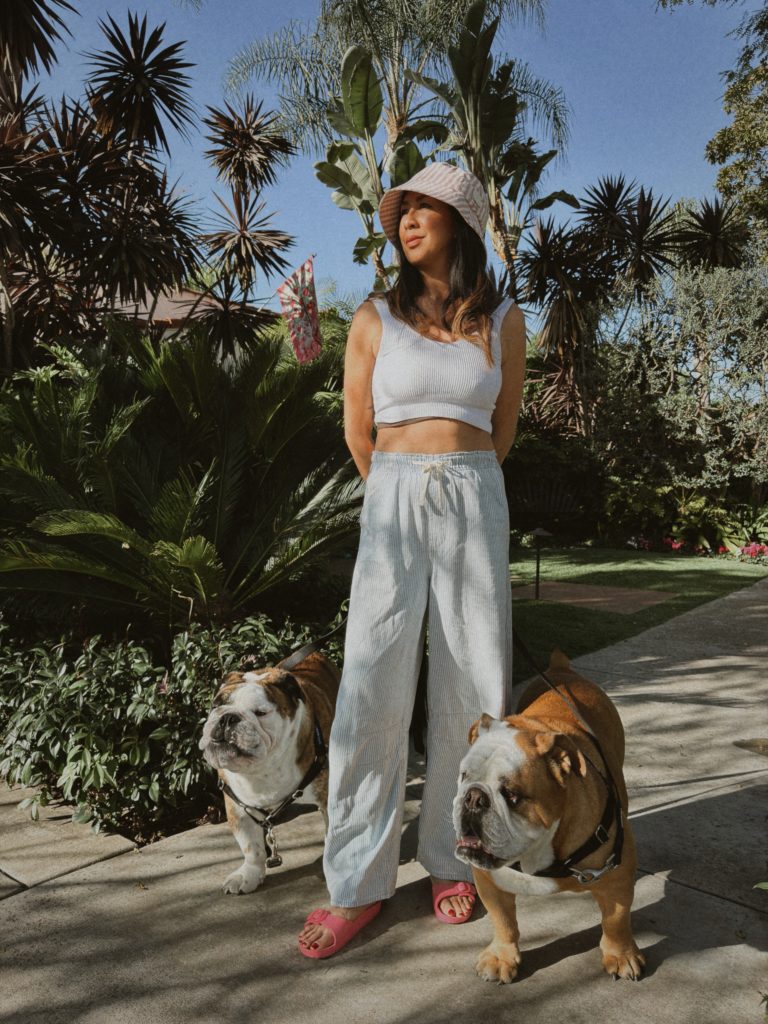
There’s this misconception that “clean” or non toxic clothing means boring or overly basic. That’s not true anymore. You can still be aesthetic, still be design forward, and still build a wardrobe that feels elevated. It just comes down to choosing the right brands and being more intentional about what you bring in.
What non toxic fashion actually means
Before getting into brands, this is the filter I personally use now when I’m shopping.
I look for natural fibers like organic cotton, alpaca, linen, or TENCEL. I pay attention to dyes and finishes. I try to avoid anything treated with unnecessary chemicals. And I care more about how and where something is made than I used to.
It’s not about getting it perfect. It’s about making better choices over time.
MATE the Label
This is probably the closest thing to a daily uniform for me.
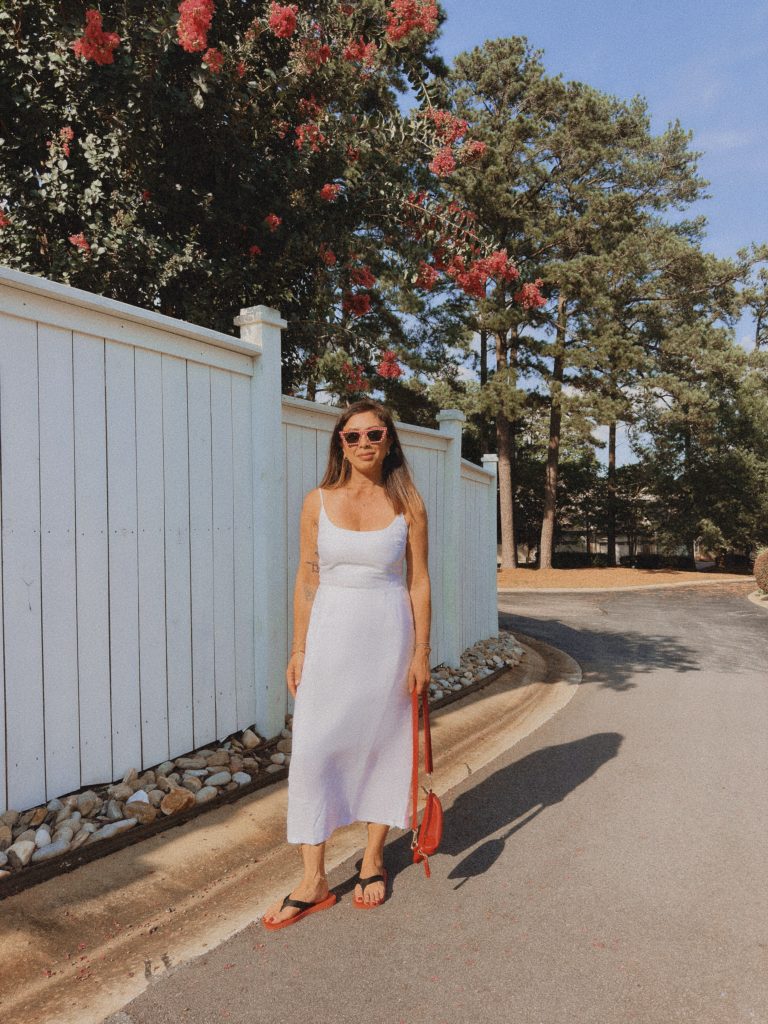
MATE has that clean, minimal LA aesthetic that just works. Everything is easy, neutral, and wearable without trying too hard. But what sets them apart is how transparent they are about their production. They use organic cotton, linen, and TENCEL, and they stay away from synthetic blends.
You can feel the difference. The fabrics are softer, but not in that overly processed way. Just natural.
These are the pieces you end up reaching for constantly. Not because they’re trendy, but because they’re reliable and feel good on your skin.
PAKA
PAKA is one of those brands that quietly does everything right.
They work with alpaca fiber sourced from Peru, and if you haven’t worn alpaca before, it’s a different experience. It’s breathable, naturally temperature regulating, and holds up over time without that synthetic feel.
It gives you that elevated, almost quiet luxury look, but it’s still practical. I especially like this for travel. You can layer it, wear it multiple times, and it doesn’t feel worn out after one use.
It’s the kind of piece you pack once and end up wearing the entire trip.
Harvest and Mill
If you want to go as clean as possible, this is where you look.
Harvest and Mill keeps things extremely simple. Many of their pieces are undyed, which means you’re avoiding an entire layer of chemical processing. Everything is grown and made in the US, and the colors you see are the actual colors of the cotton.
It’s minimal in a very real way, not styled minimal.
This isn’t about fashion. It’s about purity. And once you start wearing pieces like this, you start to understand how overprocessed most clothing actually is.
Pact
Not everything needs to be expensive to be better.
Pact is where I go for the basics I need in multiples. Underwear, simple tees, pieces that are part of your daily rotation. They use organic cotton, work with Fair Trade factories, and keep pricing accessible.
It’s not overly designed, which I actually prefer. You’re not buying this for a statement. You’re buying it because it does its job well and aligns with your standards.
This is how you build a foundation without overthinking it.
Organic Basics
This brand fits into a more streamlined, design forward wardrobe.
Organic Basics focuses on low impact materials and transparency, but what I appreciate is how cohesive everything feels. The colors are neutral, the silhouettes are simple, and it all mixes easily.
If you’re trying to build a capsule wardrobe, this is a good place to start. Nothing feels excessive. Everything has a purpose.
Clean fashion is still evolving
Even with all of this, it’s not perfect.
“Clean” isn’t a regulated term. Certifications help, but they don’t cover everything. And there are still categories, especially activewear, where synthetics are hard to avoid completely.
The goal isn’t to eliminate everything overnight. It’s to be more aware and make better decisions over time.
How I approach this now
I didn’t throw out my entire closet, and I wouldn’t recommend that.
I started with the pieces closest to my skin. Underwear, sleepwear, basics. The things I wear the most. Then I slowly replaced items as I naturally rotated through my wardrobe.
I also stopped thinking in terms of more and started thinking in terms of better.
Spending more on a single piece used to feel excessive. Now it feels like a smarter investment. Instead of buying multiple lower quality items that don’t last or don’t feel great, I’m buying one piece that I wear constantly. Over time, it actually costs less, simplifies my closet, and reduces how much I consume overall.
Final thoughts
A non toxic wardrobe isn’t about being overly curated or restrictive. It’s about alignment.
You’re choosing better materials. Reducing unnecessary exposure. Investing in pieces that last. And creating a wardrobe that actually reflects how you live now.
It’s practical, it travels well, it works in real climates like Tulum, and it still looks good. That balance is really the goal.